General
Why are Shark Shim double snap plastic shims easier to use than traditional wood shims?
Why are Shark Shim plastic shims better to use in damp, moist areas?
Why is this important?
Why are plastic shims better to use when supporting heavy loads?
In our part of the world, we have major issues with termites. Are Shark Shim plastic shims termite-proof?
What makes Shark Shim wood shims better than the competitors?
Why do Shark Shim offer such a wide range of shim types?
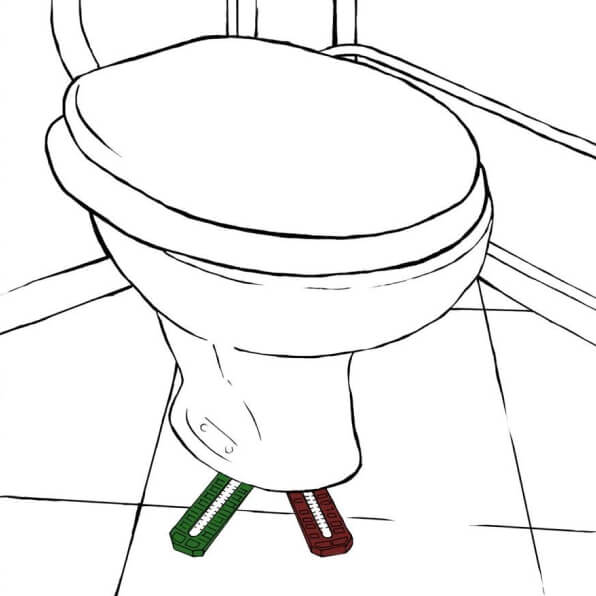
Tip #1
First decide whether the application is most suited to a “flat” shim or a “tapered” shim solution.
For example, fitting a door set is often achieved quickest using a pair of opposing double-snap shims whereas leveling of batons is usually best done with flat or horseshoe shims.
Check them out
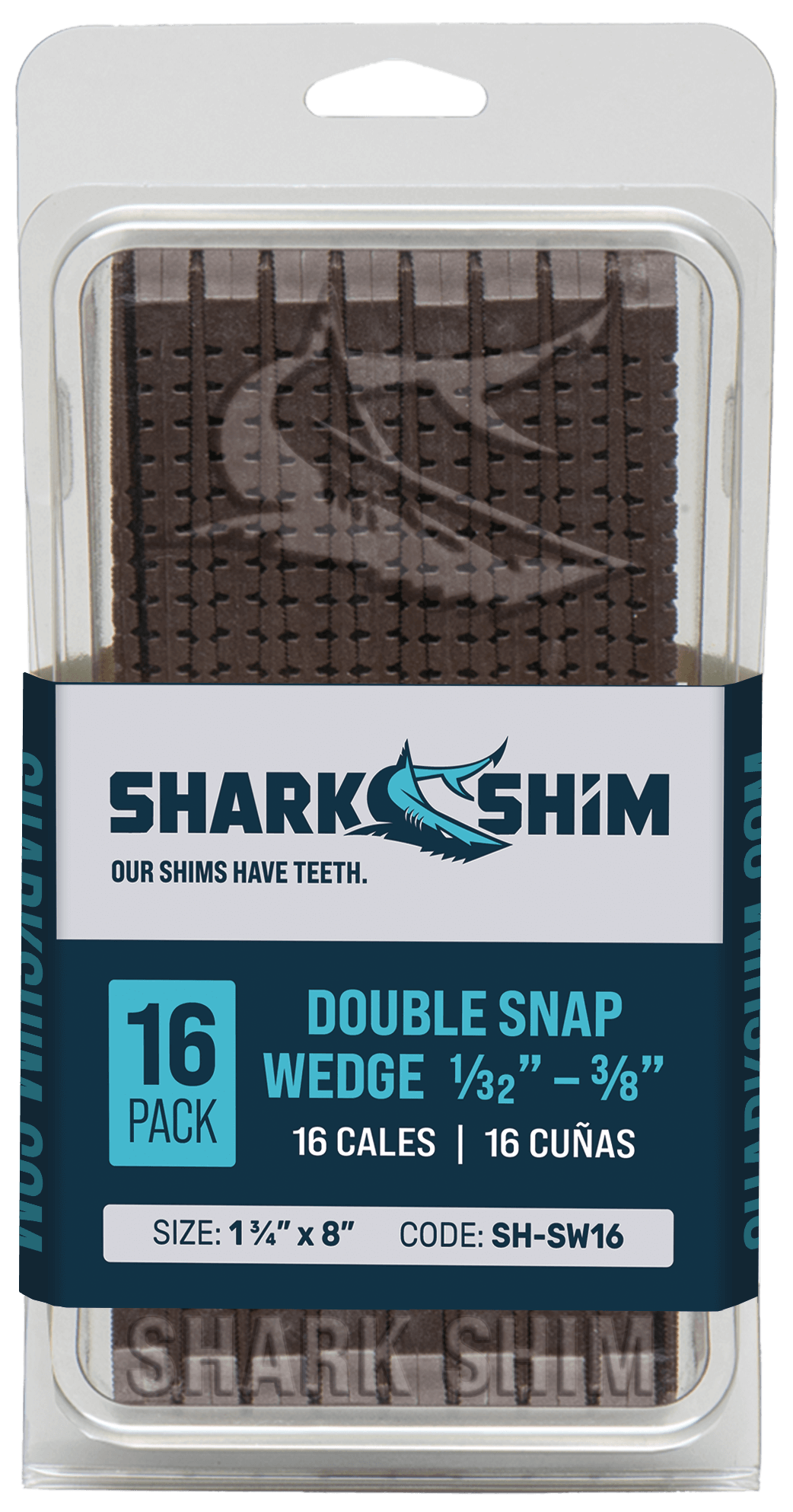
Double Snap Wedge Clamshell (Tapered 1∕32” − 3∕8”) (16 pack)
Learn More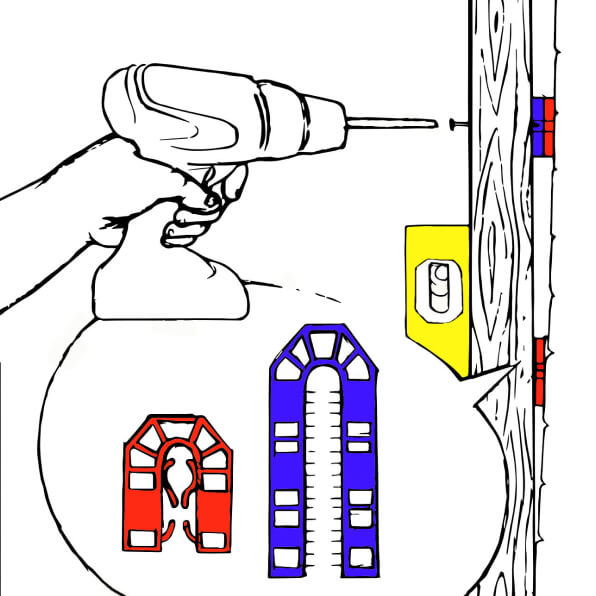
Tip #2
If you are using Horseshoe (or U Shims) decide which size is most appropriate to the application.
For example, if the baton that you are levelling is only 2″ (50mm) wide, it would be inappropriate to use the Standard horseshoe shim with its length of 4″ (100mm).
Check them out
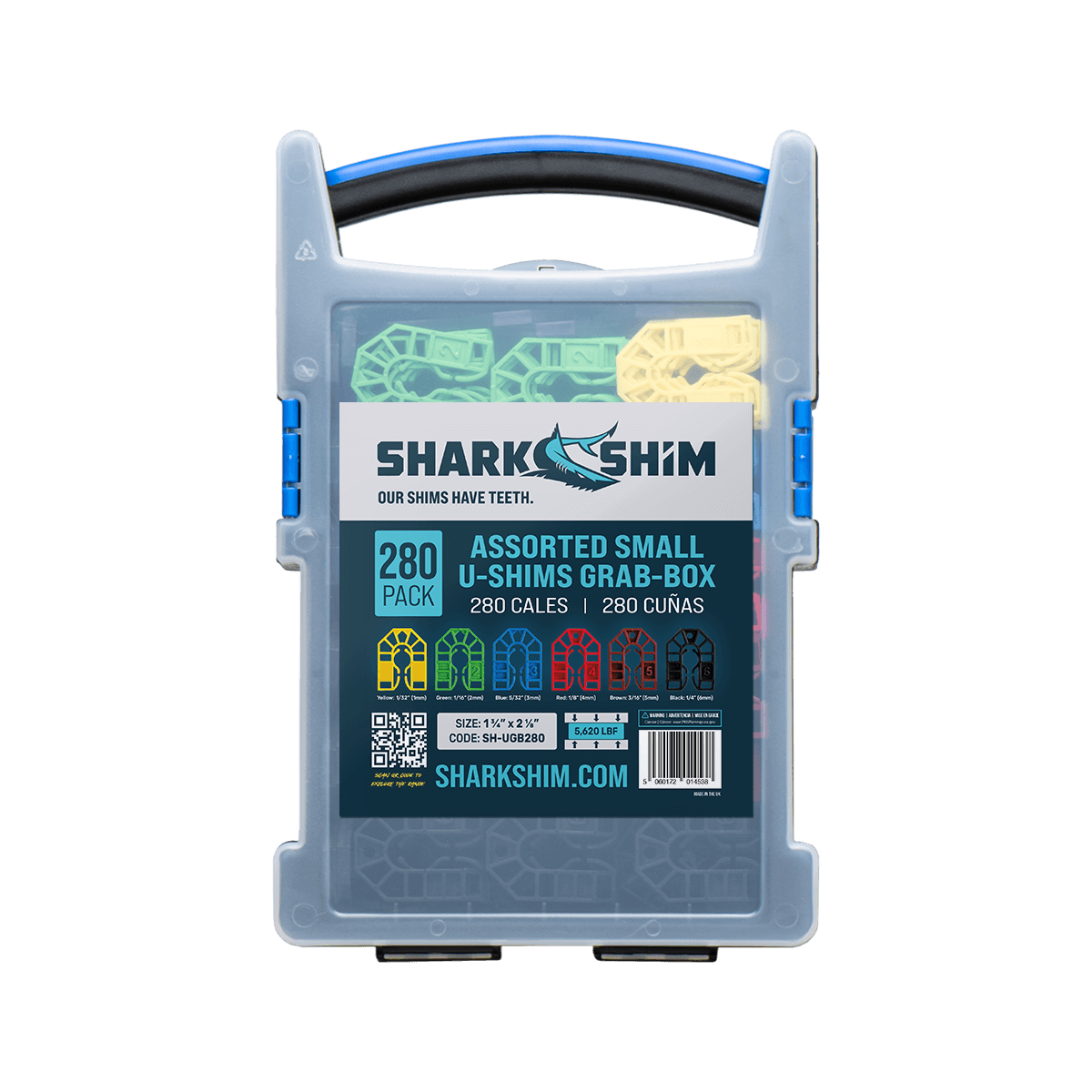
Assorted Small U Shims Grab-Box (1∕32” – 1∕4”) (280 pack)
Learn More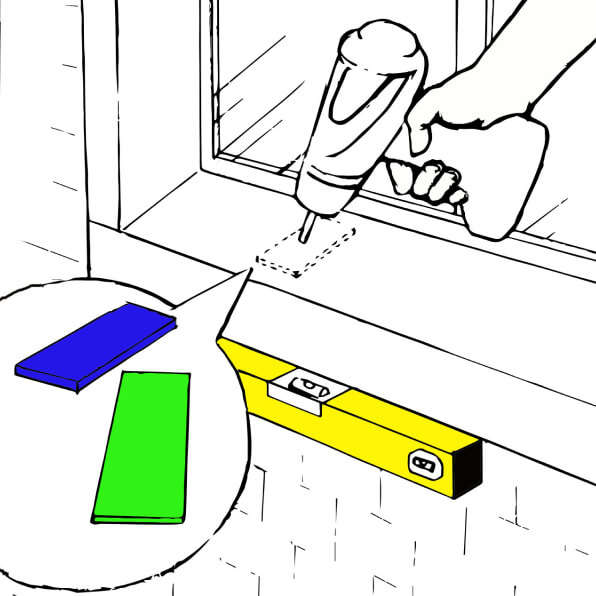
Tip #3
When building up a shim “stack” always use the largest thickness shim that is appropriate.
For example, a 3/8″ space would be better packed out with a 1/4″ plus a 1/8″ combination rather than using 6 of a 1/16″ shim.
Check them out
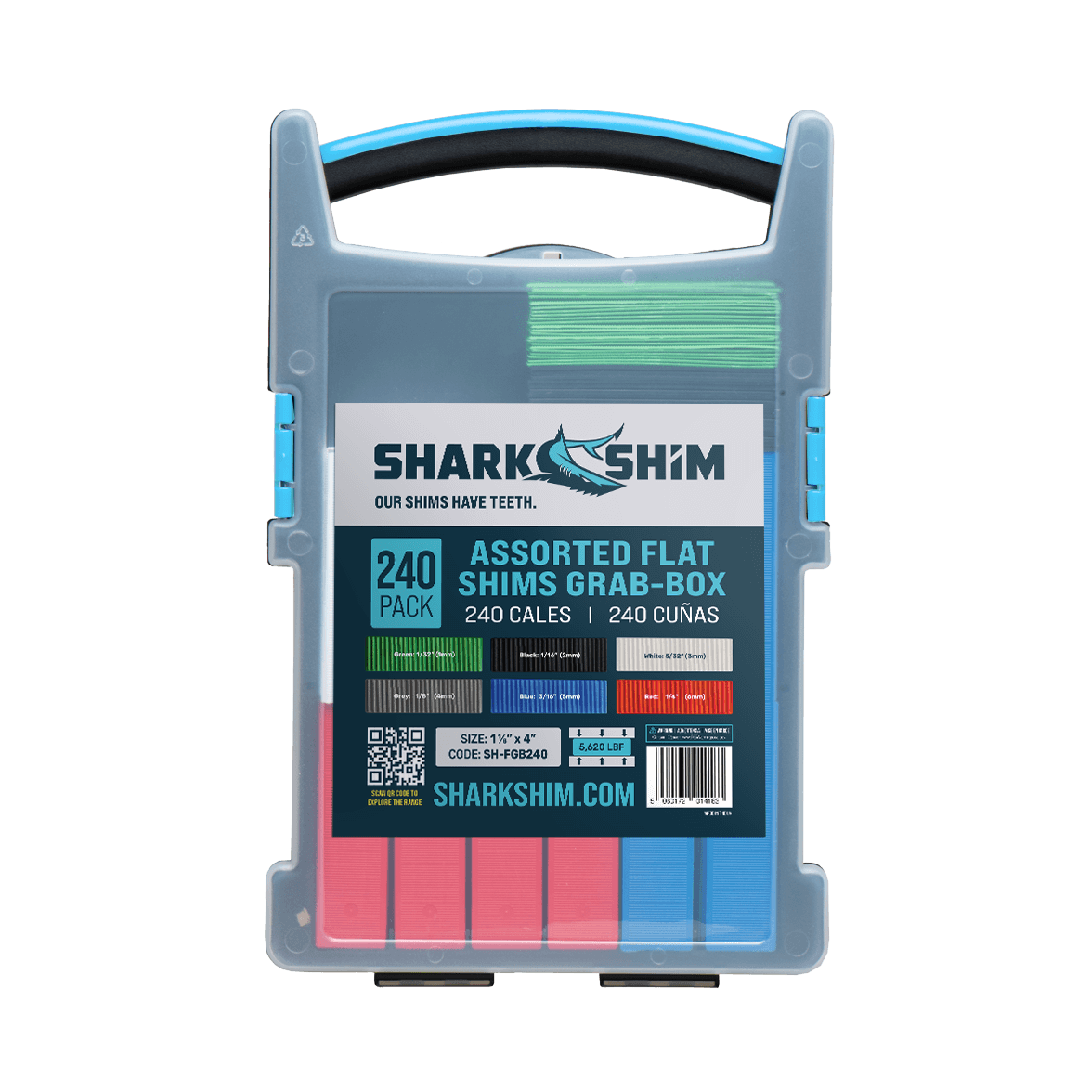
Assorted Flat Shims Grab-Box (1∕32” – 1∕4”) (240 pack)
Learn More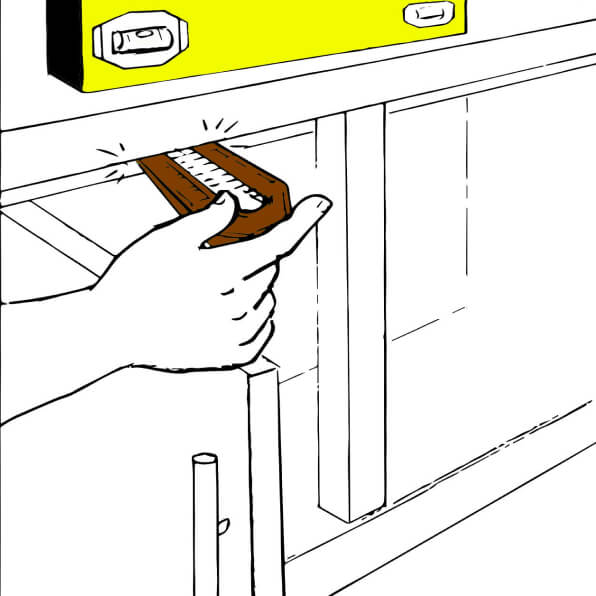
Tip #4
Whenever there is a possibility of moisture being present, always use a plastic rather than a wood shim for the application to avoid “swelling” or “rotting” of the shim.
Check them out
Double Snap Wedge Clamshell (Tapered 1∕32” − 3∕8”) (16 pack)
Learn More